Home
Rostov Oblast region
Editorial guide is being prepared — the catalog lists below are live.
10 places · 0 routes in the catalog
Places
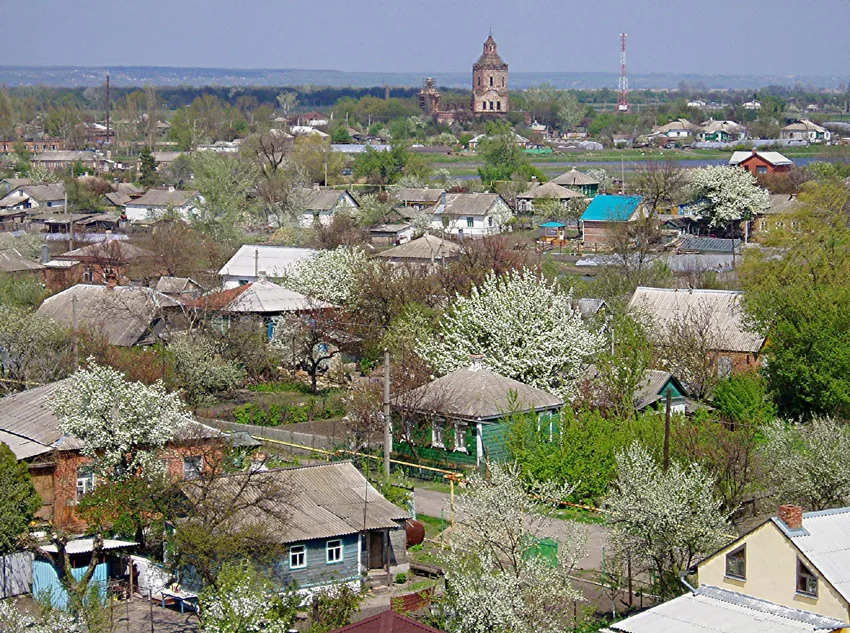 StarocherkasskayaThe stanitsa where Cherkassk served for decades as the capital of the Don Host: the Resurrection cathedral, the birthplace of Matvei Platov and the museum reserve of the Cossack capital on the Don's right bank.
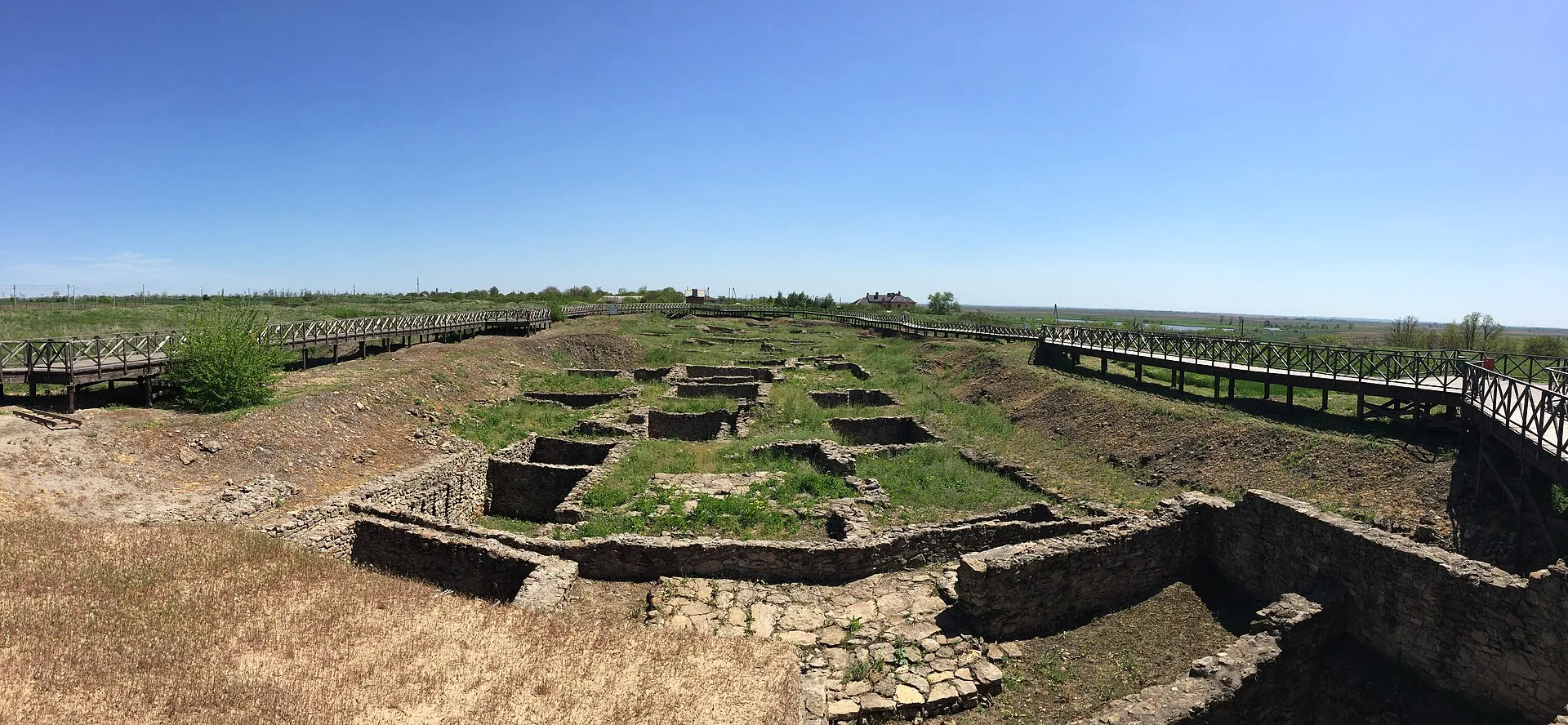 TanaisRussia's first archaeological museum reserve: the ruins of the ancient town of Tanais, which lived for eight centuries at the mouth of the Don, excavated in the open air from streets to storehouses.
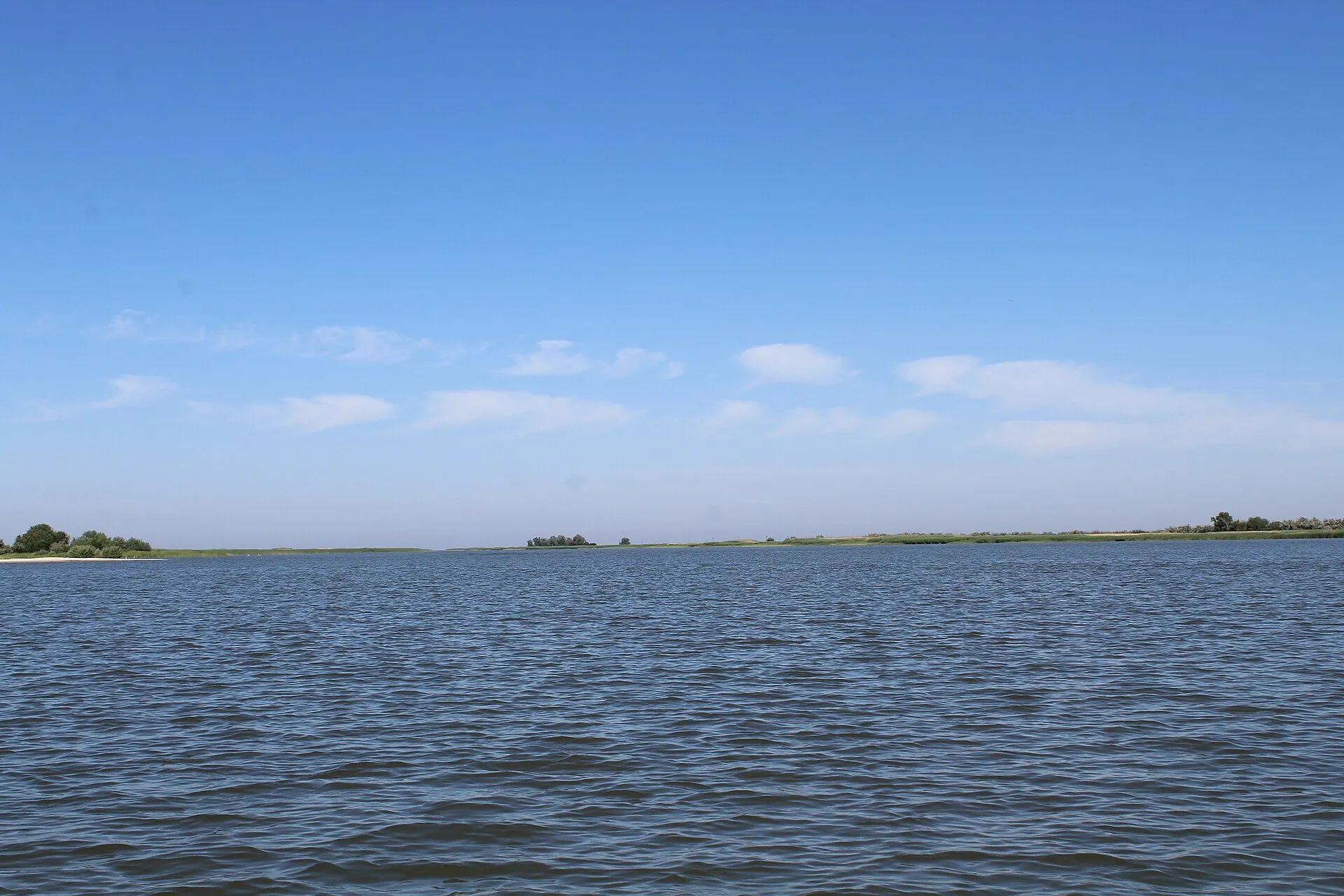 Don Nature ParkA nature park in the Don delta: forty thousand hectares of islands, channels and reed fields between the Don and the Sea of Azov — the main bird colonies of the Russian south.
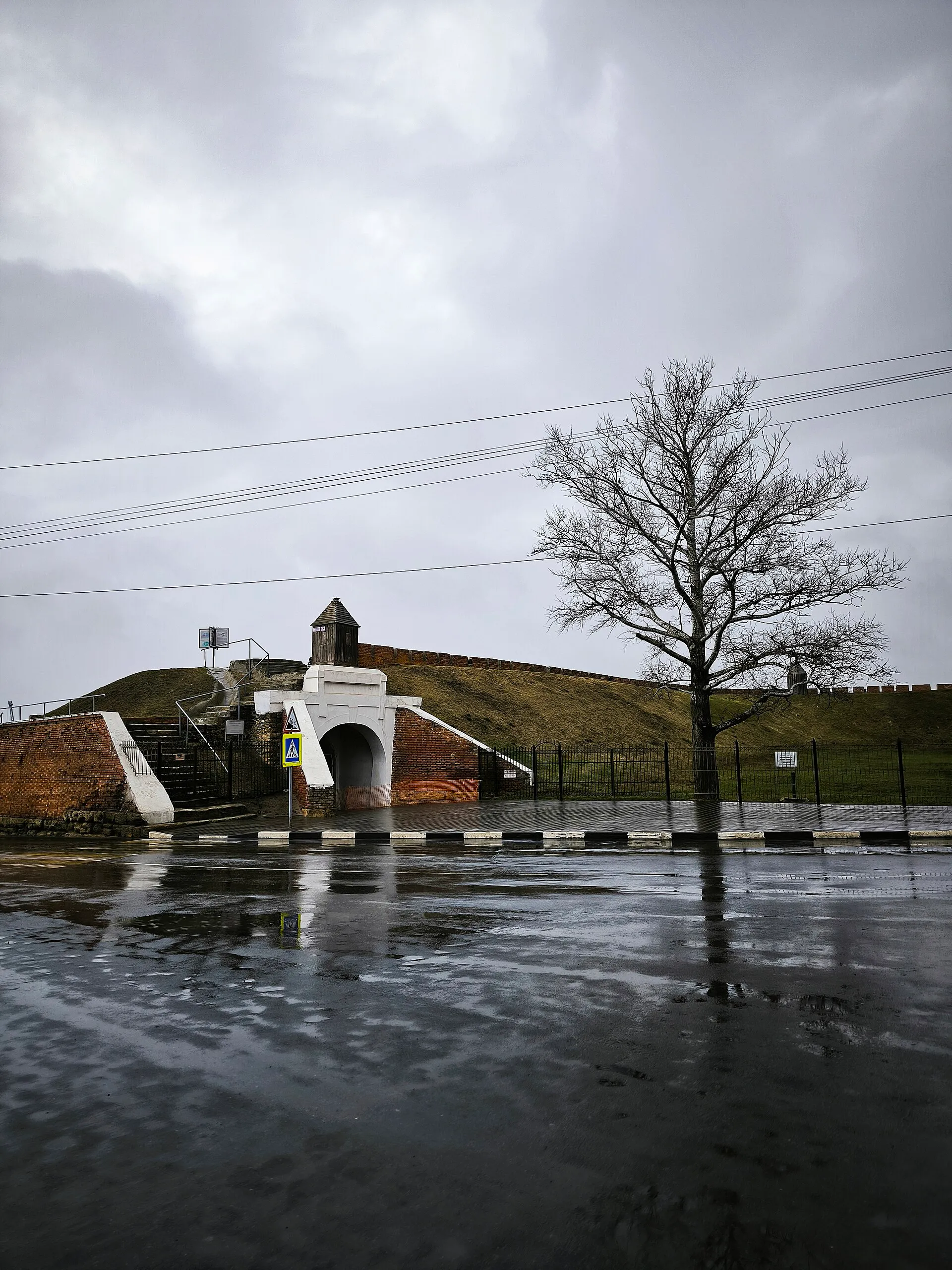 Azov FortressThe Turkish fortress of Azak of 1475, taken by the Cossacks in 1637 and having endured the 'Azov sitting' of 1641: the surviving Alekseyevsky gates and a rampart fifteen metres high over the Don delta.
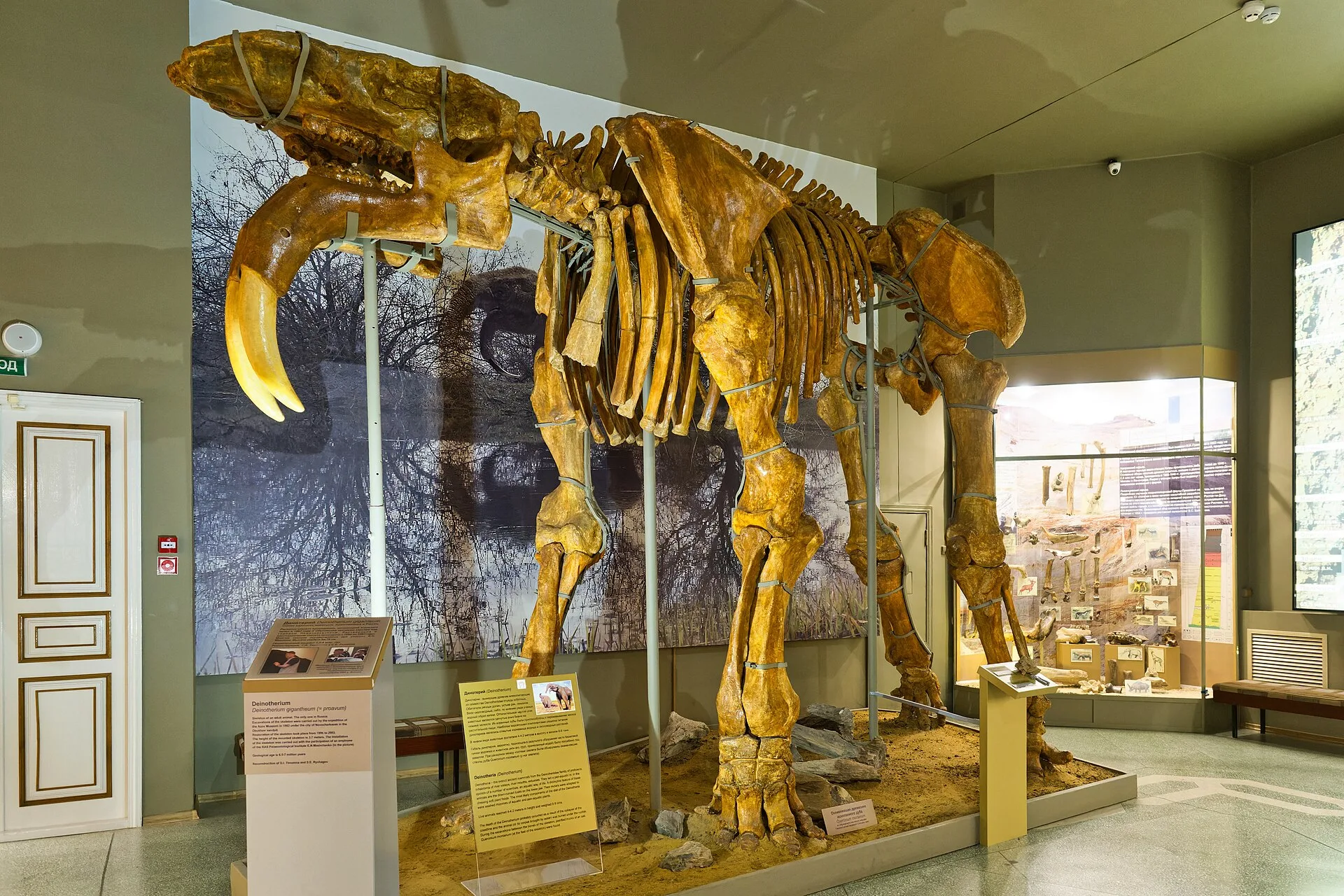 Azov Museum ReserveA 1917 museum with the richest palaeontological collection of the Russian south: the skeleton of a giant trogontherium mammoth, the antiquities of Tana and Azak and the whole history of the Don delta under one roof.
- TaganrogChekhov's town on the Taganiy Rog cape, founded by Peter the Great in 1698 as Holy Trinity: the harbour of the Taganrog bay, the oldest port of the south and the native town of the great writer.
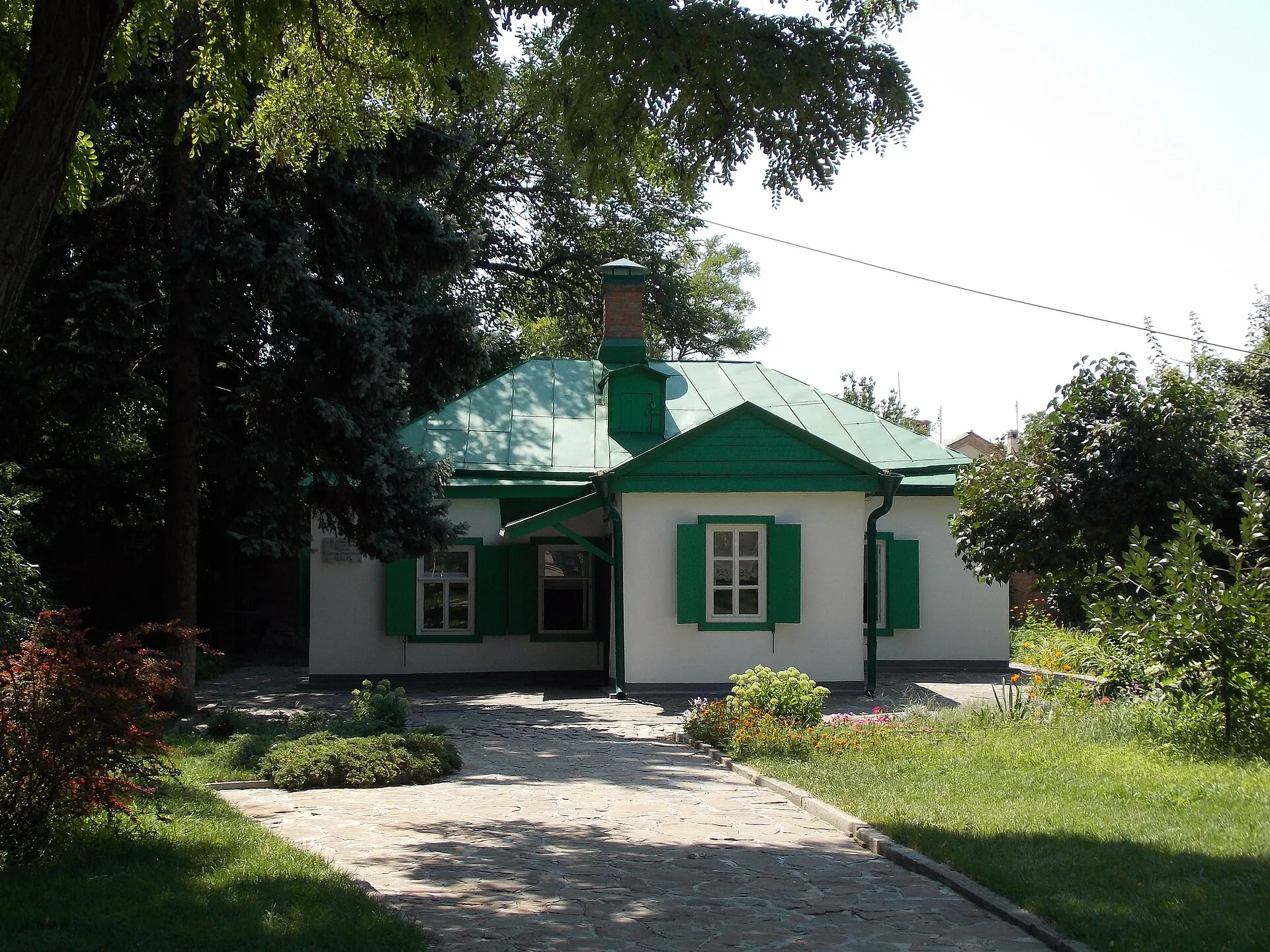 Chekhov HouseA small outbuilding at 69 Chekhov street where Anton Pavlovich Chekhov was born in 1860: a memorial museum, the most visited Chekhov address in Taganrog.
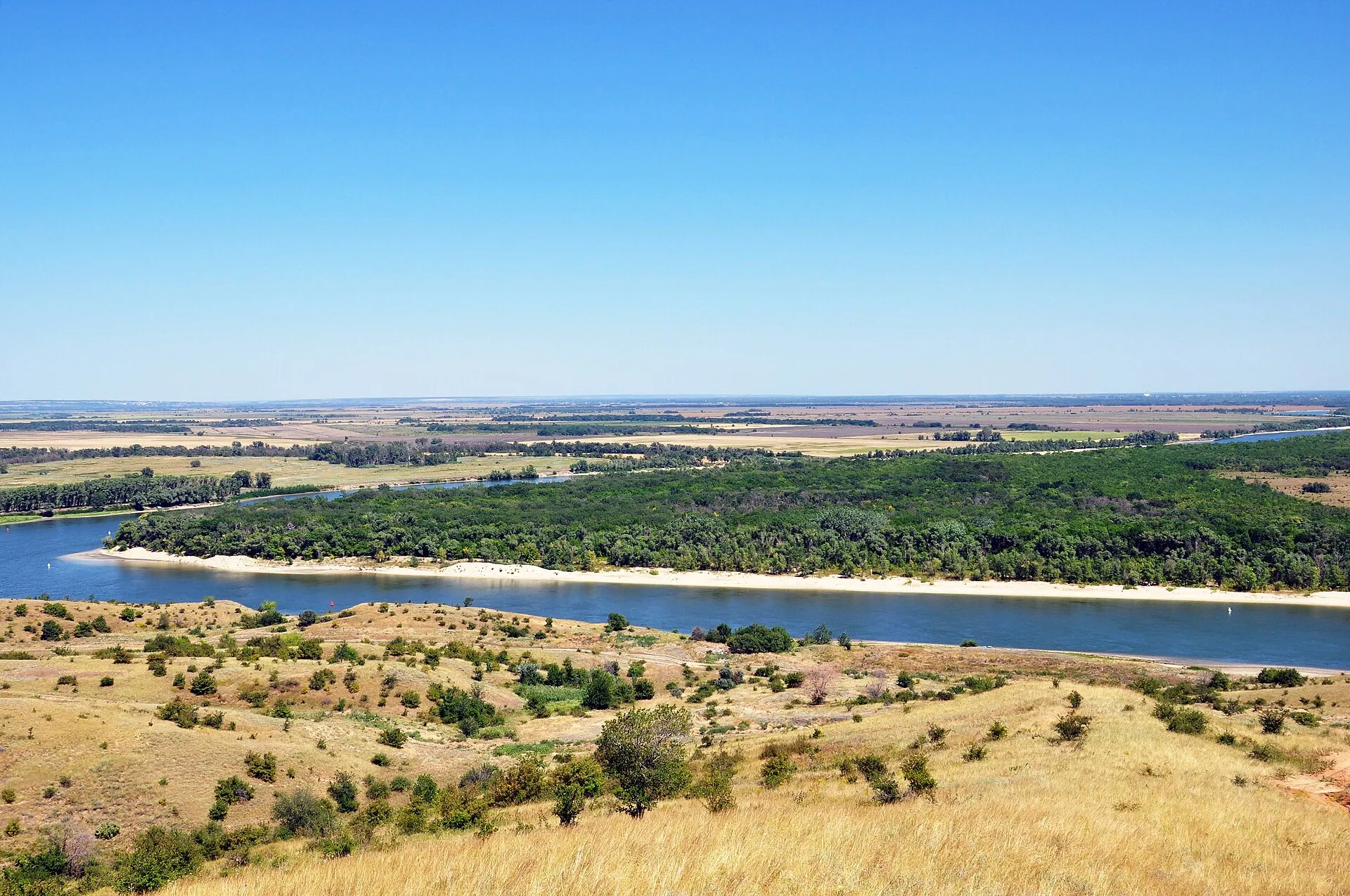 RazdorskayaThe stanitsa counted as the first capital of the Don Cossacks: the Razdor yurt with monuments from the Neolithic to the Khazars, slopes above the Don and the traces of the cavalry-girl Durova.
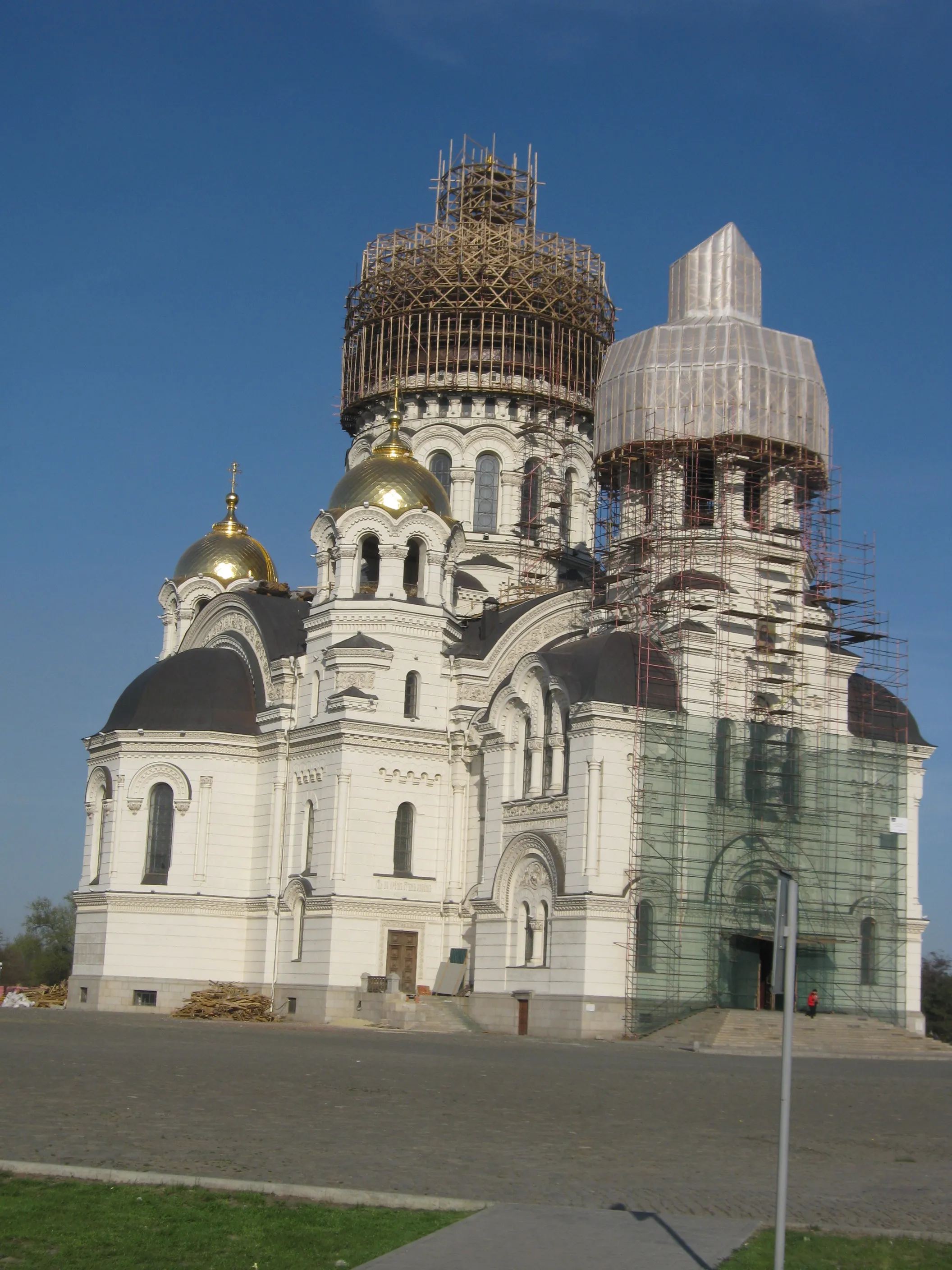 NovocherkasskThe capital of the Don Cossacks since 1805, built as an ideal town with the giant Ascension Host cathedral on the rise between the Aksai and the Tuzlov.
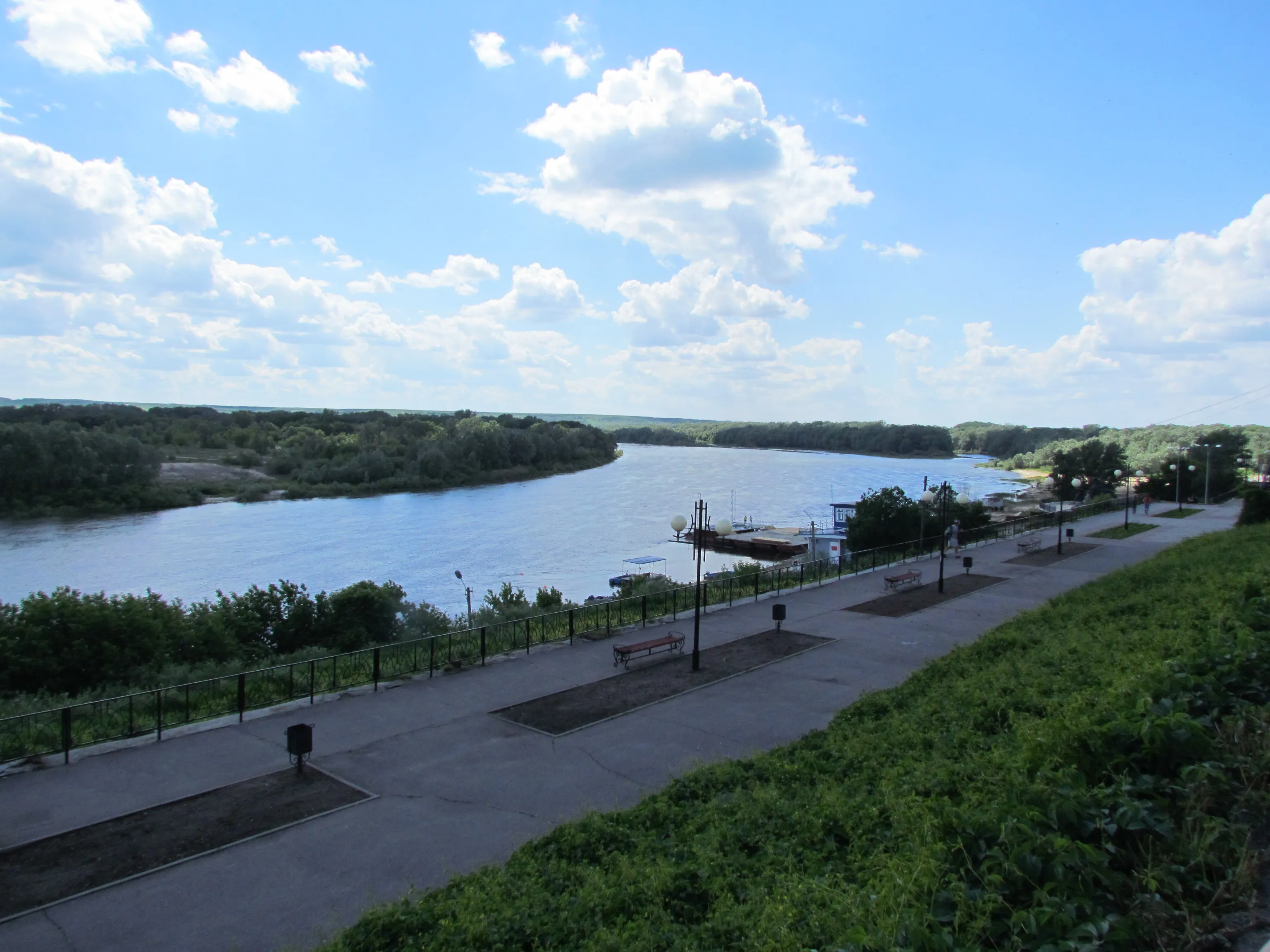 VyoshenskayaThe stanitsa of Mikhail Sholokhov on the left bank of the Don: the writer's museum reserve, 'And Quiet Flows the Don' in every landscape and the Vyoshensky oak eight kilometres from the centre.