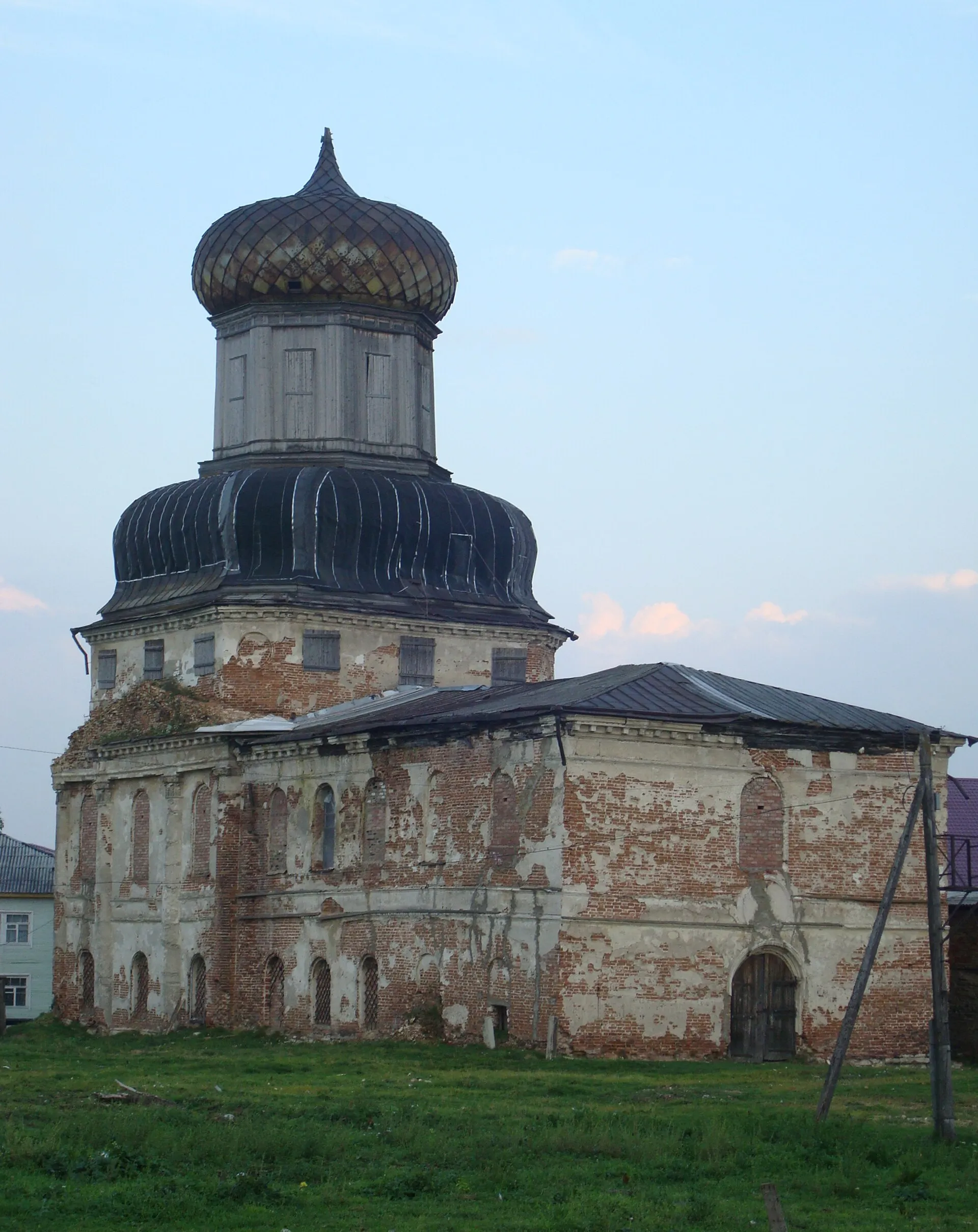
Arctic Komi: Izhma, Ust-Tsylma and Vorkuta
5+ days · about 700 km as the crow flies · Komi Republic
A great journey across the Pechora North: the Izhma Komi and the legendary Tu-154 landing, the old-believer Ust-Tsylma with its Gorka festival, and Vorkuta beyond the Arctic Circle.
Description
Komi’s northernmost route — through the lands of the Izhma Komi and Russian old believers, to a city beyond the Arctic Circle. The geography invites unhurried travel: from Syktyvkar to Izhma is about six hundred kilometres, to Ust-Tsylma almost seven hundred, and there is no permanent road to Vorkuta at all — only the Northern Railway or a plane. Plan for five days or more and two kinds of transport. Izhma, founded in 1567, is the centre of the Izhma Komi, a distinct group of the Komi people with their own dialect and traditions. The village became world-famous on 7 September 2010, when an airliner with failed electronics landed on the abandoned dirt strip of the local airport: for twelve years after the airport closed, its former chief Sergei Sotnikov had kept the strip serviceable — thanks to him, the landing cost no lives. The village has the Transfiguration Church of 1806–1828, and the district museum in the Popov house tells of both the Izhma people and that landing. Ust-Tsylma is one of the oldest Russian settlements of the European North: the Novgorodian Ivashka Dmitriev Lastka received a royal charter to the Pechora lands in 1542. From the eighteenth century old believers of the Pomorian Accord fled here, and their world has survived better than anywhere else in the North. The key date is the “Ust-Tsylma Hill”, a round-dance festival on St. Peter’s Day; it was here that Nikolai Onchukov recorded the Pechora bylinas in 1901, published in 1904. The women’s costume with kosokroy sarafans and “soroka” headdresses is one of the most recognisable ethnographic images of the Russian North. Vorkuta is the easternmost city of Europe, a hundred and fifty kilometres north of the Arctic Circle. Geologist Georgy Chernov discovered coal here in 1930; the first train from the mainland arrived in December 1941, and a city-centre ensemble in the classicism of the Leningrad school grew up in the tundra. The city’s history is inseparable from the region’s camp past and the 1953 Rechlag uprising — heavy pages that are remembered here. The polar night lasts eleven days, the polar day forty-six; around the city are the Khalmer-Yu waterfall, Mount Pemboy and the Marble Canyon of the Kara River.
Route points
- 1Izhma Village
A village of the Izhma Komi founded in 1567, made famous by human decency: in 2010 a Tu-154 landed on its abandoned airstrip, saved thanks to Sergei Sotnikov who had kept the airfield up for 12 years.
- 2Ust-Tsylma Village
One of the oldest Russian villages of the European North (1542) — the world of Old Believer Pomors, the bylina-singing tradition and the round-dance festival 'Ust-Tsilemskaya Gorka'.
- 3Vorkuta
The easternmost city of Europe beyond the Arctic Circle: mining architecture of the Leningrad school, eight months of winter, the polar night and the Khalmeryu waterfall nearby.