From Uvildy to Itkul
1 день · about 110 km · Chelyabinsk Oblast
A lake-and-cliff day in the north of Chelyabinsk Oblast: radon Uvildy, the mineralogical Vishnevye Hills, the Shikhany wall and the cold Itkul.
Description
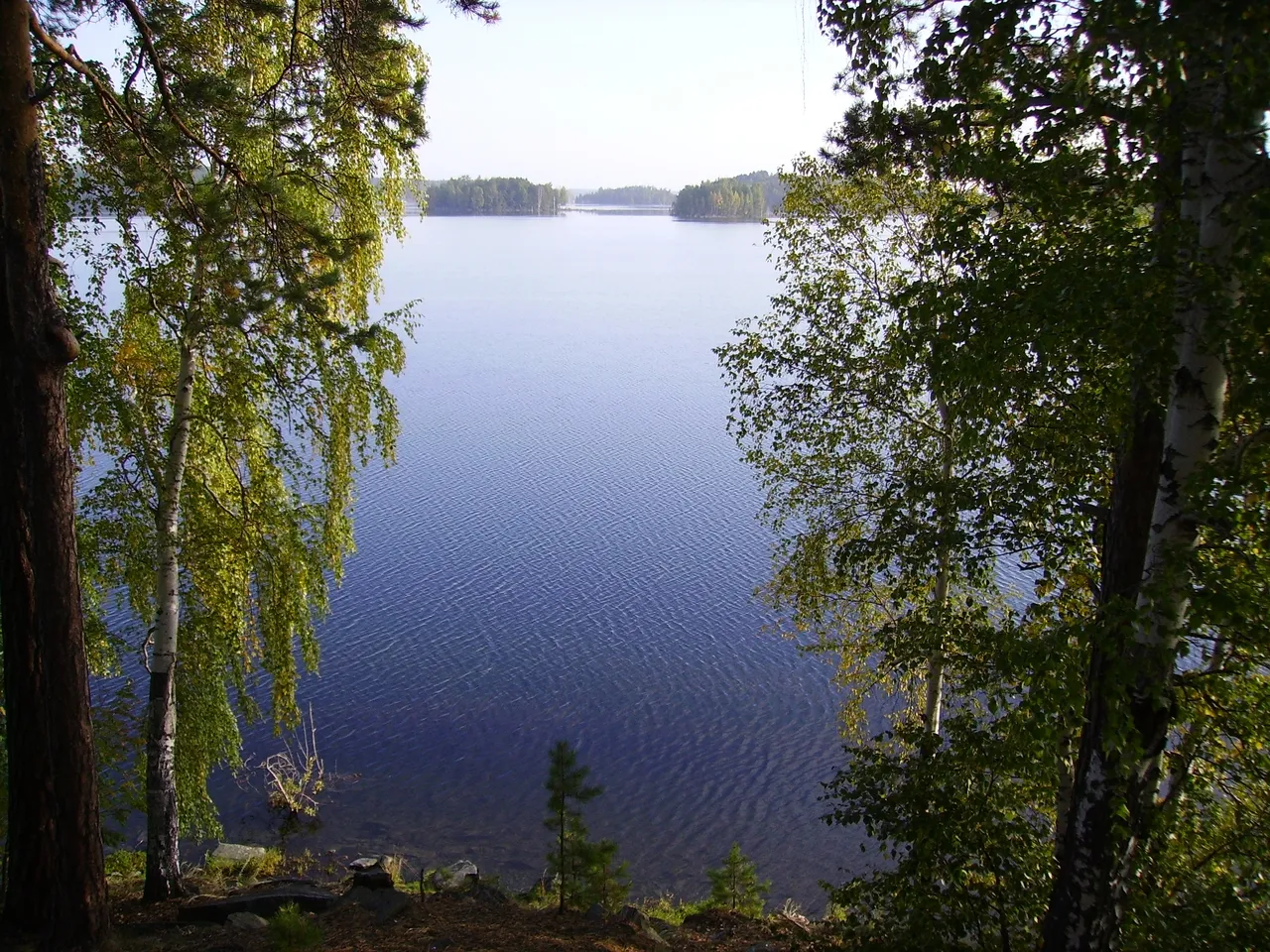
A day in the north of Chelyabinsk Oblast along granite hills: the oblast’s largest lake, an open-air mineralogical museum ridge, a two-kilometre rock wall and the deepest lake of the region’s north. The chain runs from south to north, with about a hundred and ten road kilometres between the endpoints — convenient from both Chelyabinsk and Yekaterinburg. Uvildy is the largest and deepest lake of the oblast: almost seventy square kilometres of mirror and thirty-eight metres of depth with water clarity of six to eight metres. Academician Pyotr Rychkov wrote back in 1762 that “up to five hundred” islands were counted on it — in reality there are dozens, low and granite. The water is high in radon; radon springs and a spa of the same name operate on the shore, while the quiet northern bank near the Ripus settlement, with wild granite capes, keeps its pristine look. Next come the Vishnevye (Cherry) Hills, recognisable by the abandoned quarries of the former mine. About a hundred and thirty minerals have been found here, and mineralogist Vladimir Kryzhanovsky discovered a new mineral in Kurochkin Log and named it vishnevite after the hills. The workings are old and crumble, so exposures are inspected from above; the ridge opens views over a chain of lakes — from Arakul in the west to Sungul and Kirety in the east. Seven kilometres away are the Arakul Shikhany, the southernmost and highest granite massif of the Middle Urals: a chain over two kilometres long with Chamberlen summit, 563 metres above sea level and two hundred and sixty-two above Lake Arakul. Archaeologists have excavated nine camps here from the Early Iron Age to the late Middle Ages — and found no dwellings or household items, only cult objects, menhirs and a Neolithic rock-art panel: researchers believe the massif served as an ancient open-air “temple”. The finish is Lake Itkul, the largest in the oblast’s north: tectonic, up to sixteen and a half metres deep, with the Kamennaya Gryada island and the Shaitan-Kamen rock. The water is noticeably cleaner and colder than in plain lakes, and parts of the banks are occupied by holiday bases — check the accessible descents in advance.
Route points
- 1Lake Uvildy
The largest and deepest lake of the oblast with clear radon-rich water: an 18th-century account counted 'up to five hundred islands' — in reality dozens, plus a radon clinic and 38-metre depths.
- 2Vishnevye Gory
A ridge that is a mineral museum in the open air: feldspar and pyrochlore mines, 130 minerals, and the mineral vishnevite named after the mountains.
- 3Arakulskie Shikhany
A two-kilometre granite wall above Lake Arakul with the Chamberlen summit: nine ancient settlements, 'stone bowls' and a Neolithic pictograph on the rocks.
- 4Lake Itkul
A tectonic lake of the Sinara group with the Kamennaya Gryada island and the Shaytan-kamen rock — the deepest lake of northern Chelyabinsk Oblast.